Our path to COP30, what we learned along the way and how the region is getting stronger
COP30 was more than a climate milestone in the heart of the Amazon—it was a living process, driven by encounters, collaboration, and learning. We arrived in Belém convinced that climate solutions must emerge from territories, from people, and from financial models aligned with local realities. We returned with something even greater: new connections, strengthened commitments, and the certainty that a network ready for collective action already exists.
But the COP is not summed up in its two weeks of programming. With a continuous performance in climate, our preparation began months before, on March 26, when we met with Alice Amorim, head of the Special Advisory of the COP30 Extraordinary Advisory, to discuss the strategic role of the network in the first COP held in the Amazon. Since then, we have held webinars, thematic meetings, working groups and articulations that brought us to Belém prepared to influence with consistency.
Transformation begins with meeting and listening
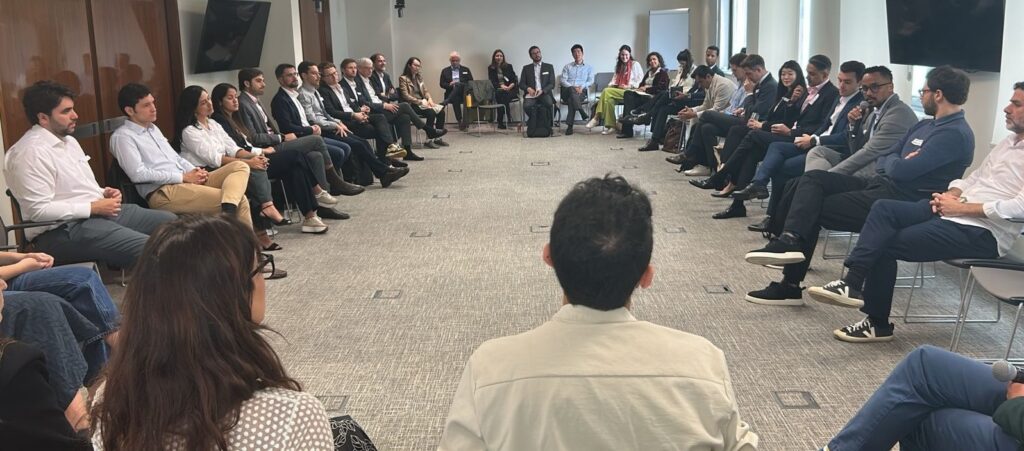
We started our agenda in the Pre-COP events in São Paulo, which warmed up the debates for what we would experience in Pará. On November 7, at Mattos Filho's office, we held a meeting in partnership with Convergence, bringing together members of both networks. In a Learning Lab format, and taking advantage of the discussions of the events taking place in the city, we talked about the role of Catalytic Capital and Blended Finance in supporting solutions to climate and biodiversity challenges.
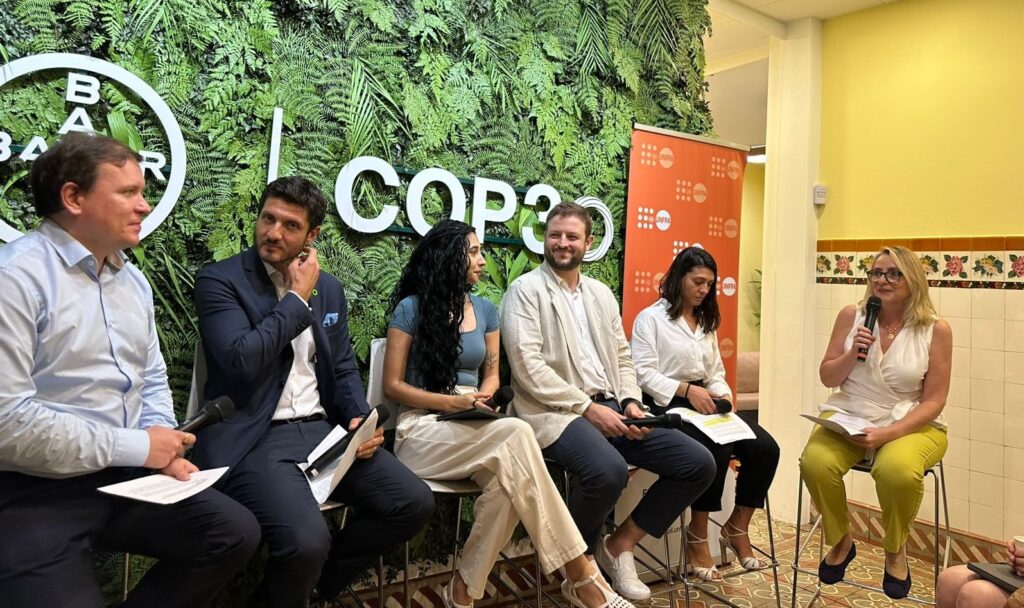
In Belém, we started our participation on the first day with a panel on gender in partnership with UNFPA, at Casa Bayer, followed by the opening of our performance in the Green Zone with a panel with Climate Ventures on the role of the Global South in climate innovation. We then participated in the official launch of the Amazon Challenge Platform at the Casa da Sociobioeconomia. In keeping with our commitment to knowledge generation, connection and collective advocacy, we then held a series of strategic meetings and dialogues with our network.
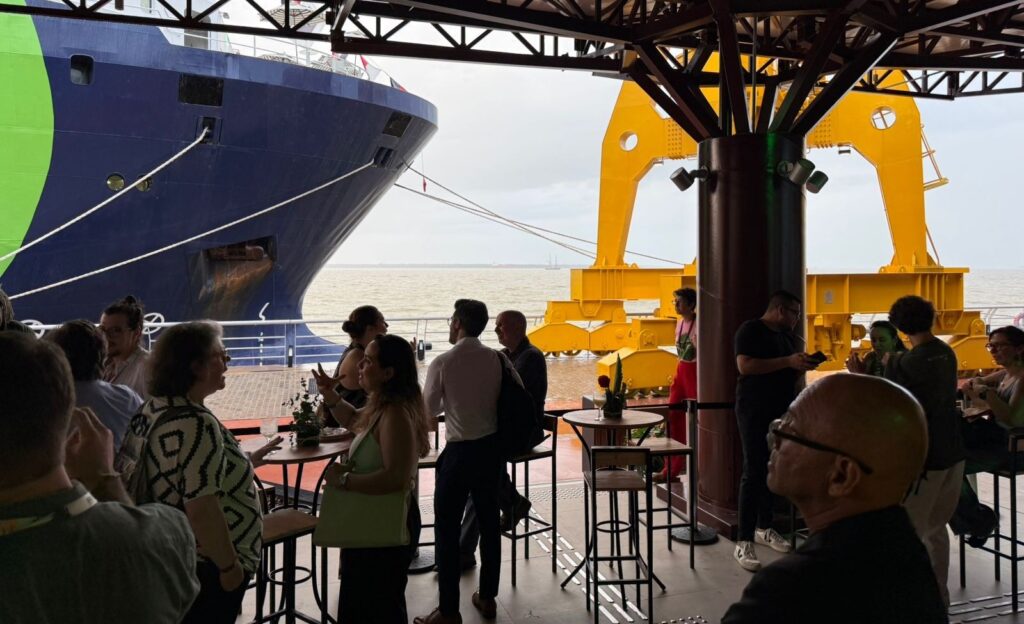
On November 12, we held a special and reserved gathering: the Members' Meeting, organized together with the Vale Fund, which brought our network together for frank conversations, strengthening relationships and celebrating what we collectively advanced during the year. It was a time to strengthen ties, identify new opportunities for collaboration and align strategic priorities for the future of the region.
The following day, on November 13, we held a Business Day together with Sistema B, reinforcing the role of the private sector as a catalyst for socio-environmental impact. We exchanged experiences with organizations that already integrate regenerative models into their operations and discussed how impact investing can accelerate this transformation. With over 120 people present on Combu Island, we discussed fashion, decarbonization, health and food systems in an environment conducive to necessary discussions.
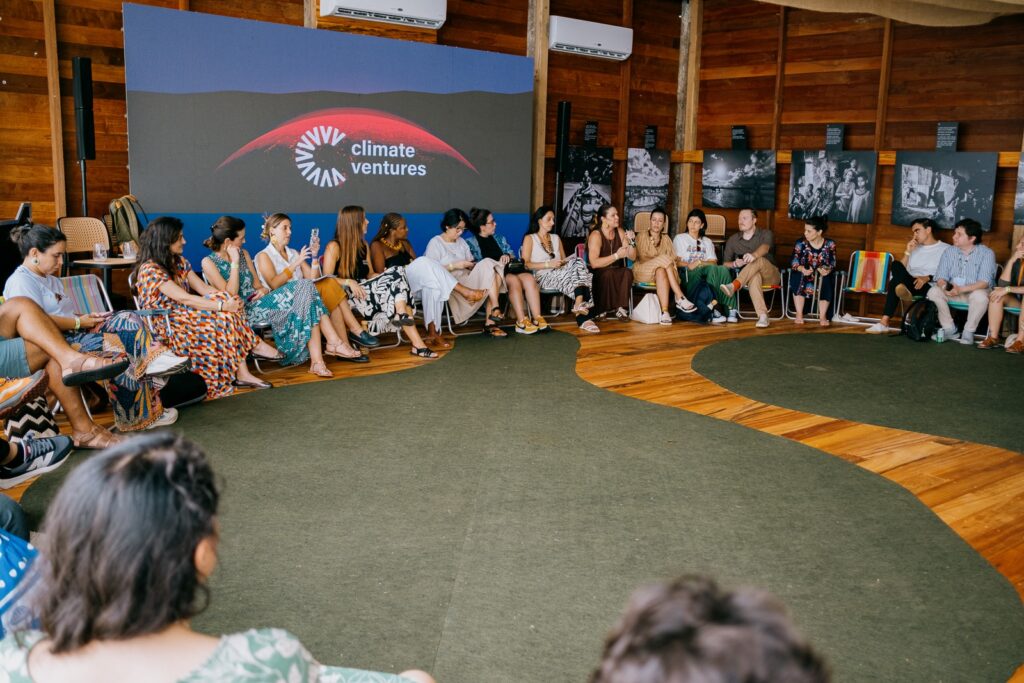
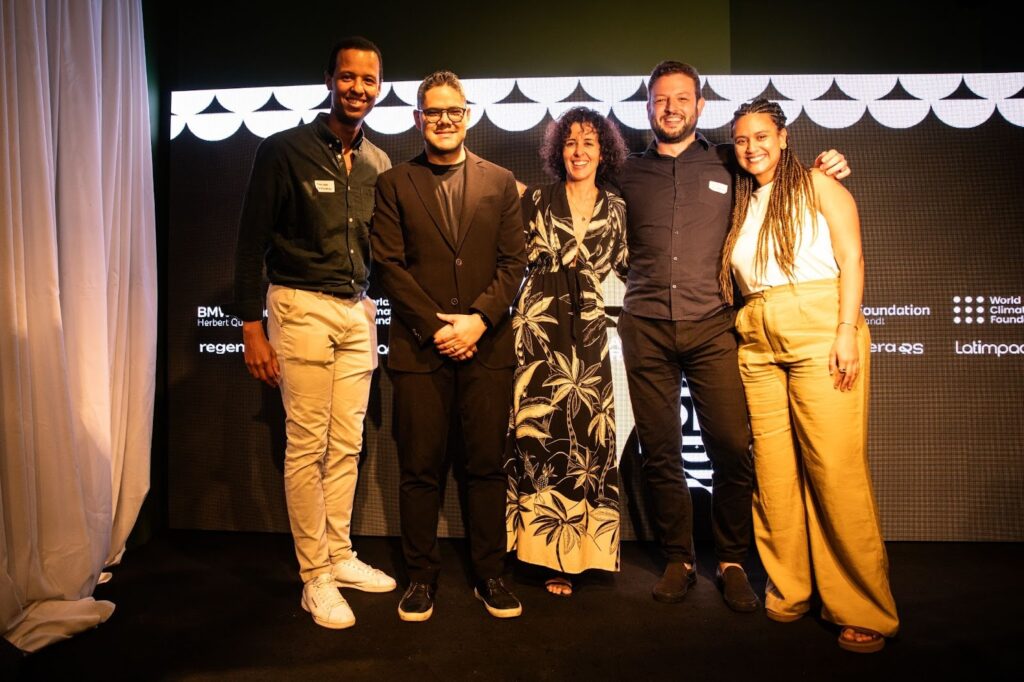
Continuing with the strength of networks and alliances, on November 14 we organized, in collaboration with BMW Foundation Herbert Quandt, World Climate Foundation and RegeneraRS, a meeting to celebrate connections and collaborations that strengthen our collective action. It was a space for deep and inspiring dialogue, which brought the networks closer together and highlighted the traditions and strengths of the territory. The collaboration between these institutions reinforces our commitment to connect capital, knowledge and purpose to address climate risks and promote a regenerative economy.
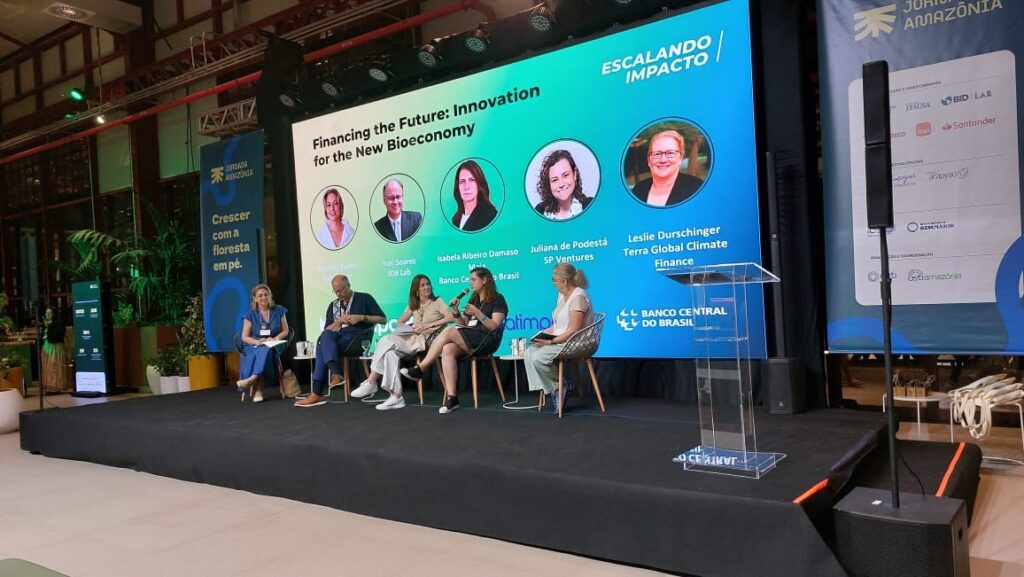
We continue with thematic sessions on financing and innovation. On November 15, we participated in the talk "Financing the Future: Innovation for a New Bioeconomy", organized together with the IDB Lab, where we discussed how innovative financing models can strengthen sustainable production chains in the Amazon and support solutions that are born from traditional territories and communities. The panel brought together voices from IDB Lab, Terra Global Capital, Banco Central do Brasil and SP Ventures, who discussed what already works and the next steps to connect capital with real impact.
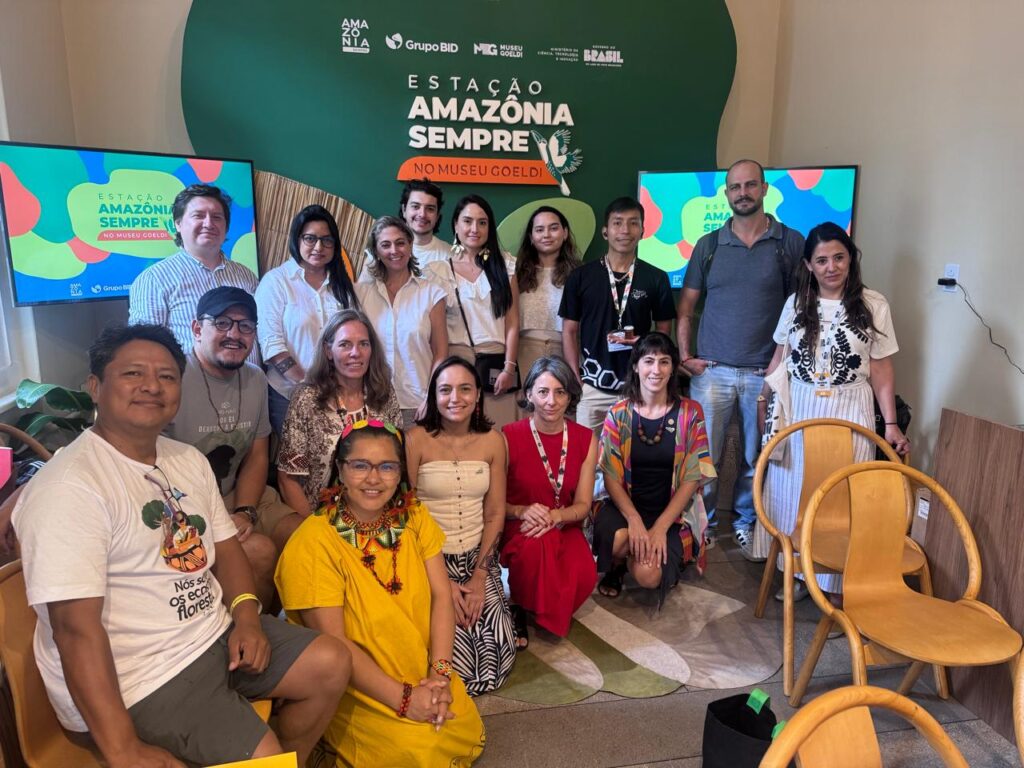
On November 16, we devoted our attention to the panel "How to Scale Up Indigenous-Investor Collaboration in the Amazon?" on the role of indigenous peoples in building a new economy for the rainforest. The conversation brought essential perspectives on governance, autonomy, fair distribution of value and collaborative models that respect traditional knowledge, territory and culture.
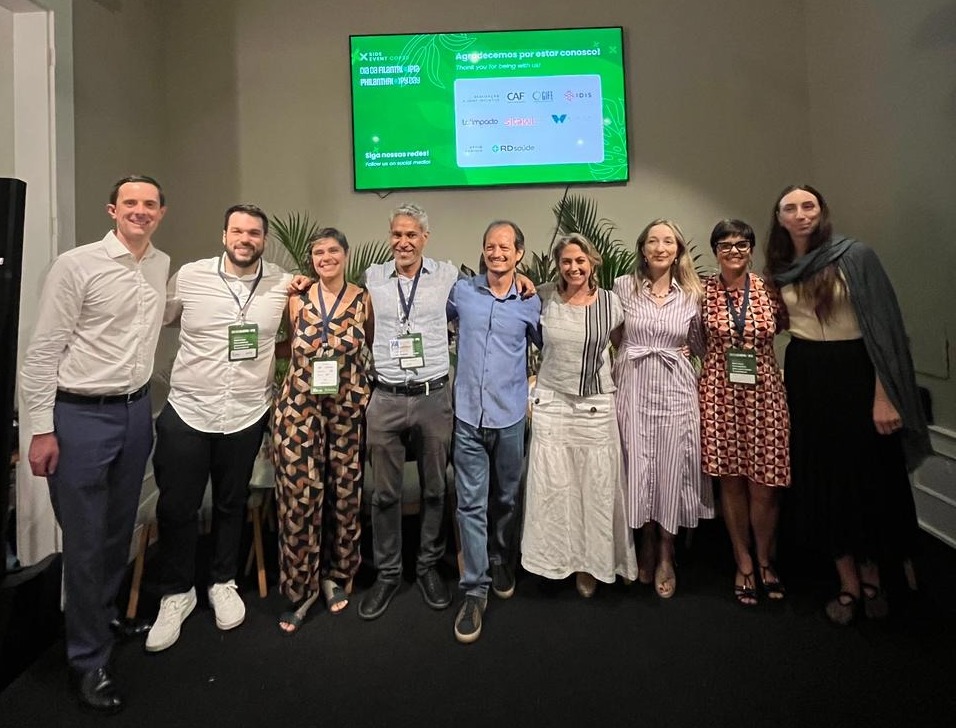
Our journey continued on November 17, on Philanthropy Day, together with partners such as IDIS, SITAWI, WINGS, GIFE and CAF. The day was a milestone to consolidate philanthropy as a strategic bridge between capital, the climate agenda and territorial impact, reinforcing its catalytic role to unlock risks and pave the way for transformative solutions.
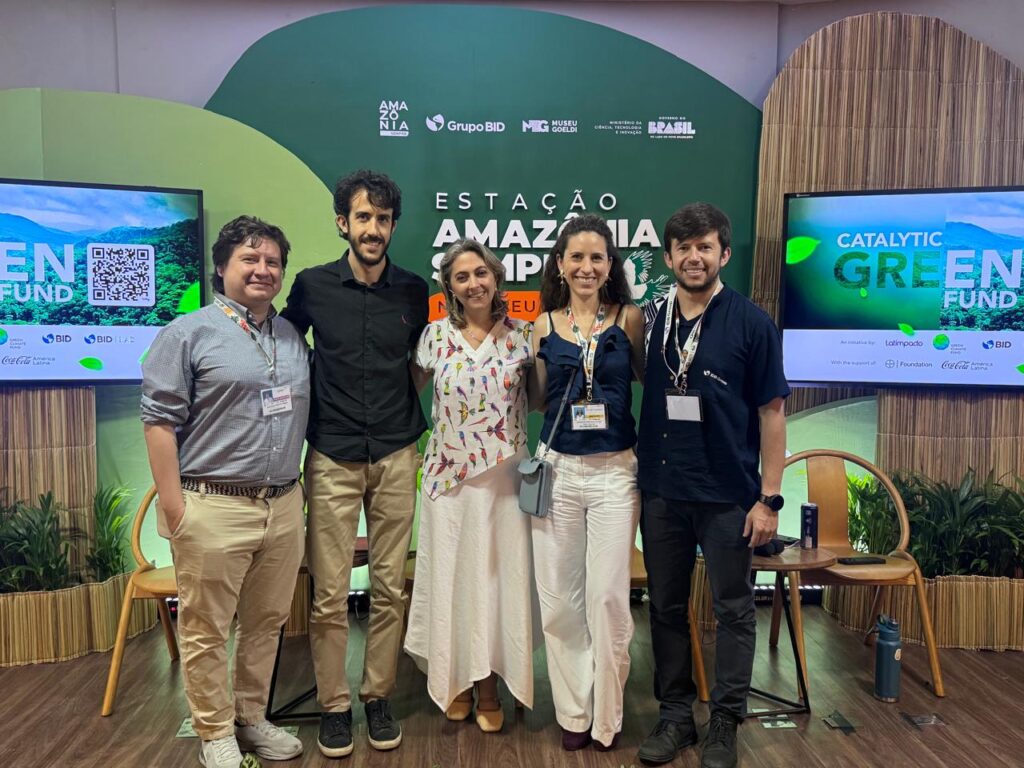
We closed our participation on November 18 at the 8th GLF Investment Case Symposium, an event that brought together thousands of people around the world to explore how artificial intelligence, digital technologies and blended finance can expand transparency and strengthen the resilience of nature markets.
That same day, during the panel "Uncovering the Missing Link: How Can Finance Be Truly Catalytic in the Amazon?", we discussed the systemic role of financial mechanisms that not only invest, but actually transform. We talked about blended finance, hybrid models, flexible instruments and strategies capable of prioritizing long-term impact, overcoming the logic of immediate return.
These conversations connect to a broader agenda of building regenerative economies, demonstrating how the financial ecosystem can evolve from an agent of investment to an agent of transformation, especially in the Amazon.
Closing and invitation
We close this COP aware that the path initiated here does not end in the corridors of the global meeting. It remains alive and unfolds in the territories that inspire all these conversations. That is why next year our journey continues in the Amazon itself, and we want you to be with us.
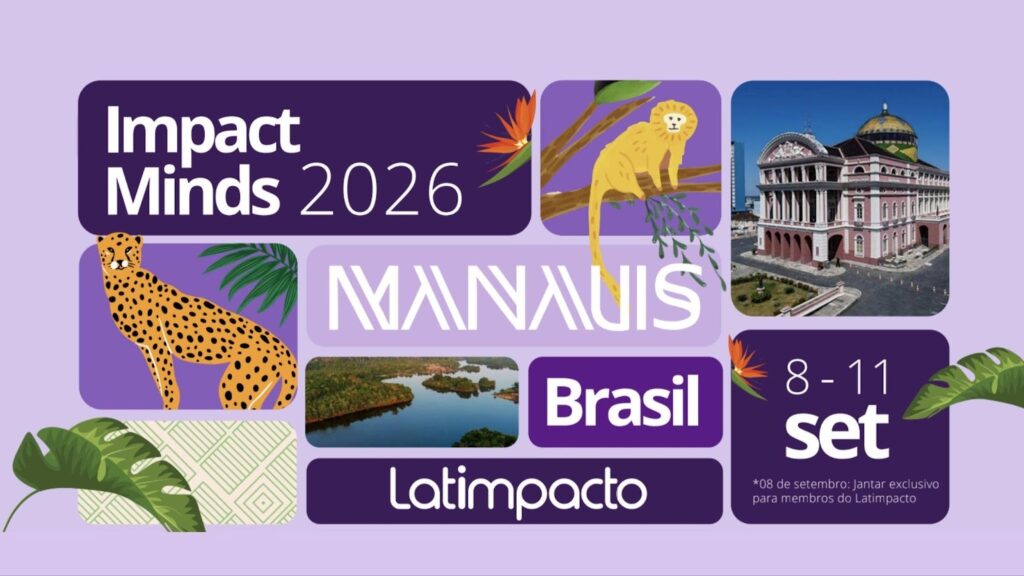
In 2026, our annual conference will take place in Manaus, a city of more than two million inhabitants that pulsates as a meeting point between jungle and urban power. Manaus is not just a destination; it is a geographic and political hub that connects innovation, science, traditional communities, bioeconomic chains and the world. There, the Amazon ceases to be a theme and becomes an environment, a context and a voice.
We will bring together local and international leaders, investors, organizations, entrepreneurs, community representatives, academia and the public sector to advance essential ecosystem debates. If at the COP we consolidate alliances and provoke reflections at global tables, our conference will be the space to deepen these conversations where they really come to life: close to the people and territories that lead the transition.
It will be an opportunity to experience the Amazon in its connected reality: natural, urban, diverse and strategic. To get to know the region up close and understand, in the territory, how traditional knowledge, technology, business and capital can work in an integrated way.
We look forward to seeing you in Manaus to build together the next chapter of this movement.